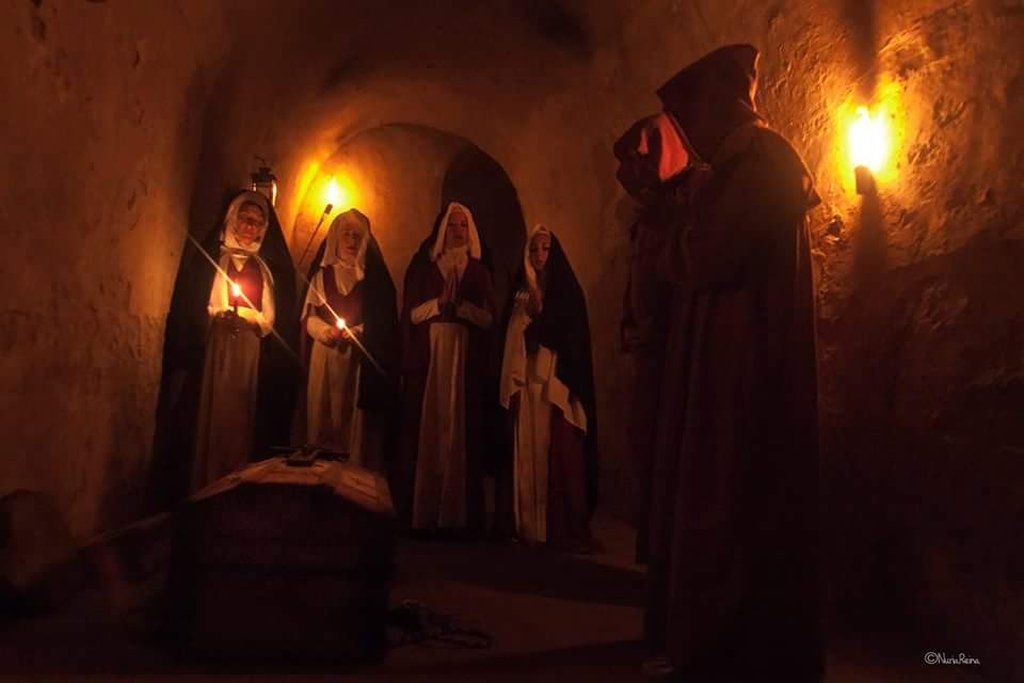
Hidden beneath the lively streets of Cádiz, the Catacumbas del Beaterio offers a compelling glimpse into the city’s past. Once a burial site, these shadowed corridors preserve stories that trace Cádiz’s early Christian heritage and its links to wider European traditions. As you move through the chambers, each space reveals echoes of those who lived and worshipped here, creating an experience that appeals to both curious visitors and devoted history enthusiasts. Skilled guides enrich the journey with insights that bring this remarkable underground site to life.
Bella Escondida tower
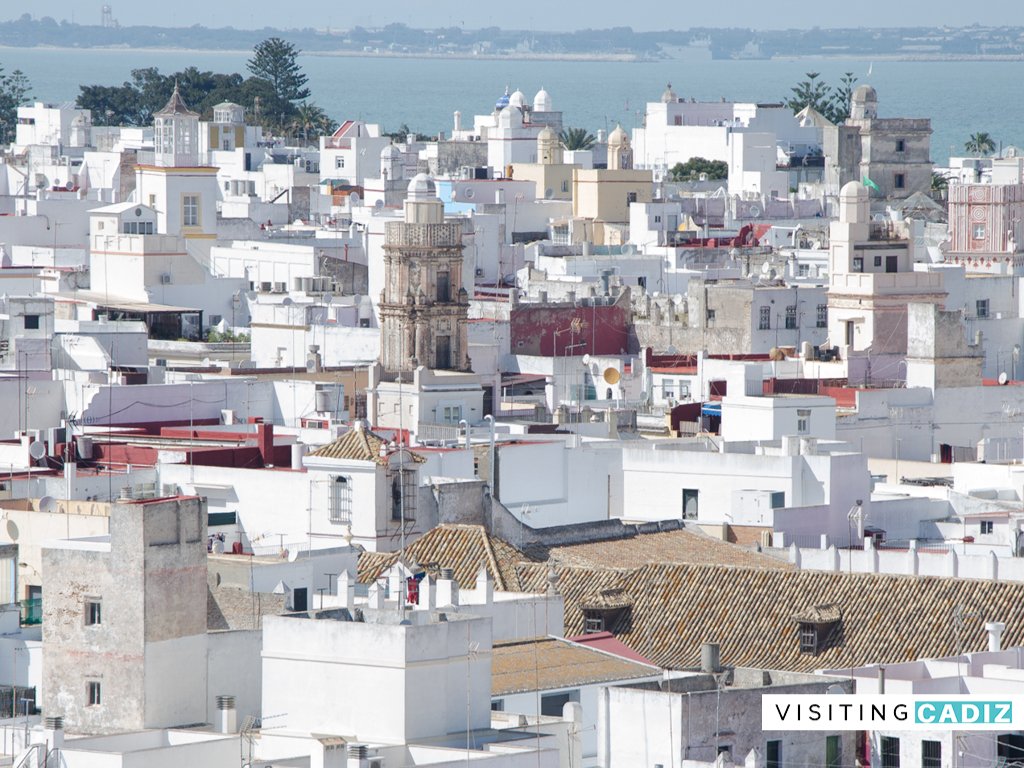
The Bella Escondida tower is the only lookout tower (of the hundreds) in Cádiz with an octagonal floor plan. It is located on top of the house at number 13 Calle José but as it’s name suggests, it can’t be seen from the street. “Escondida” in English means “hidden”.
If you want to see this tower then visit the rooftop bar of the hotel las Cortes de Cádiz from where you can get a great view whilst enjoying a coffee, beer or glass of wine. (Which is, incidentally, also a fine hotel to stay in!)
Discovering Benaocaz: A Hidden Gem in the Sierra de Cádiz
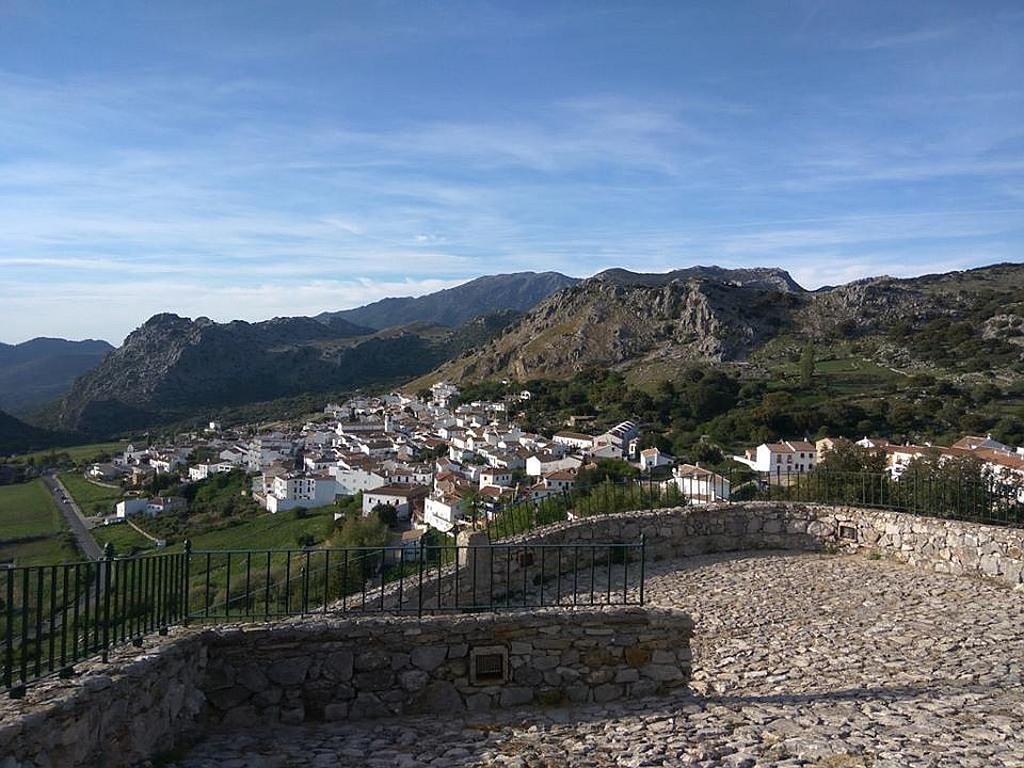
Benaocaz is a picturesque village located in the north-west of Cádiz province, south of the Tavizna River. It is part of the famous Ruta de los Pueblos Blancos (Route of the White Villages).
Benaocaz borders Grazalema to the north, Ubrique to the south, Villaluenga del Rosario to the east, and El Bosque to the west. The village is entirely within the Parque Natural Sierra de Grazalema (Grazalema Natural Park), with the westernmost section also inside Los Alcornocales Natural Park.
Nightlife in Cádiz: Where to Go Out in Cádiz City
Cádiz, the oldest city in Europe, offers a unique nightlife experience blending historical charm with vibrant modernity. From ancient neighborhoods to lively beachfront promenades, Cádiz has a variety of bars, clubs, and cultural hotspots. Whether you enjoy sipping cocktails in historic taverns or dancing until dawn, this guide will help you discover the best nightlife in Cádiz.
The Fortress of Santa Catalina
After the Anglo-Dutch sack of the city in 1596, King Felipe II sent the engineer Cristóbal de Rojas to Cádiz to carry out a defense project. Rojas considered that the quickest and most effective way to protect the city was to design a fortification in the bay of Santa Catalina. So, in order to defend the most vulnerable maritime borders of the city of Cádiz, the fortress of Santa Catalina was built.