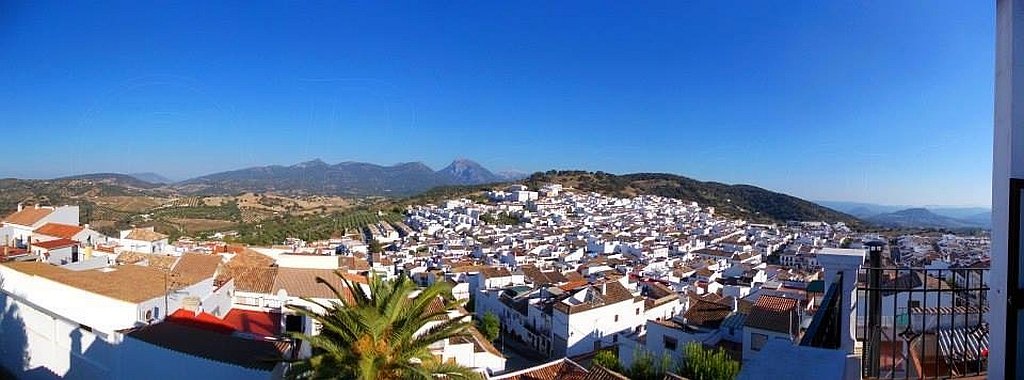
Nestled between Arcos de la Frontera and El Bosque, Prado del Rey is a charming Andalusian village of around 6,000 inhabitants, covering 49 square kilometres. Surrounded by the Parque Natural Sierra de Grazalema and Los Alcornocales, it offers a perfect blend of nature, history and authentic gastronomy.
A Modern Village with Deep Roots
Although Prado del Rey is a relatively modern settlement with leafy streets and gardens, it has ancient origins and a proud identity. It’s known as the birthplace of the celebrated vino Pajarete (Pajarete wine), which gained fame in the 19th century for its refined, liqueur-like flavour. Bee keeping and honey production is also very important for the local economy.
Other Local Crafts

Today, as well as beekeeping the local economy thrives on leather craftsmanship (marroquinería), furniture making and charcuterie production, alongside viticulture.
The surrounding countryside, rich in Mediterranean flora such as alcornoques (cork oaks) and lentiscos (mastic trees) that shelters diverse wildlife — from foxes and deer to eagles and nightingales.
Where to Stay in Prado del Rey
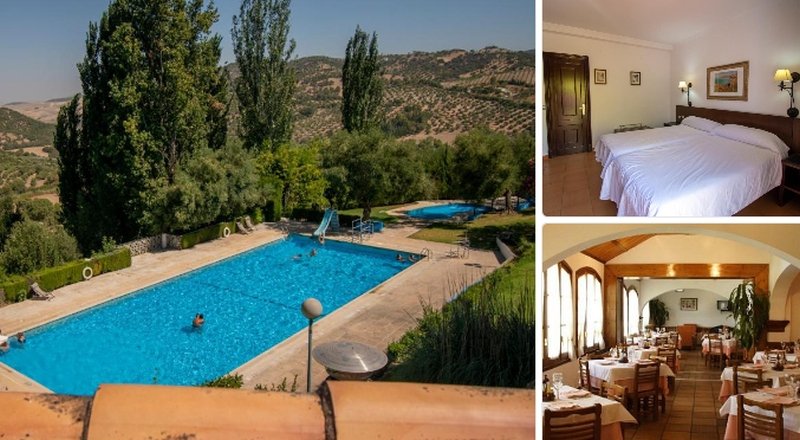
I thoroughly enjoyed my stay at Hotel del Carmen in Prado del Rey. The rooms were comfortable, the atmosphere welcoming, and the food was excellent, offering a delightful taste of authentic Andalusian cuisine.
Other Accommodation Options
In and around Prado del Rey You’ll find a variety of lodging options, from charming guest-houses and cosy country cottages to more conventional hotels and self-catering apartments. Many properties sit in the heart of the village or within walking distance, while others are nestled in the surrounding countryside—perfect for nature lovers exploring the nearby Parque Natural Sierra de Grazalema and Los Alcornocales. See all the options over at Booking.com.
Iptuci and a Brief History of Prado del Rey
The area’s story stretches back to the Palaeolithic era, with the Romans founding the fortified city of Iptuci, later occupied by the Moors during the Nazarí Kingdom of Granada. In 1133, King Alfonso VII conquered and destroyed Iptuci due to its strategic frontier position. Centuries later, in 1768, King Carlos III ordered the repopulation of the area, giving birth to the modern-day Prado del Rey as part of a larger colonisation plan for southern Andalusia.
Archaeological remains from Iptuci — including Roman inscriptions, necropolises, and sections of Andalusí defensive walls — reveal a fascinating history. A bronze tablet dated to 31 AD, found here, mentions a hospitium (treaty of alliance) between Iptuci and Ucubi (modern-day Espejo, Córdoba).
How to Get There
Prado del Rey is reached easily by road, surrounded by scenic countryside and mountain views. The village lies about an hour from Jerez de la Frontera, and roughly ninety minutes from Málaga, Gibraltar, or Seville.
The most direct routes are via the A-373 and A-384, connecting Prado del Rey with nearby towns such as Arcos de la Frontera, Villamartín, and El Bosque.
Local Industry and Economy
While agriculture remains a cornerstone of Prado del Rey’s economy, the town has diversified over the years. The marroquinería workshops produce fine leather goods exported throughout Spain, while apicultura (beekeeping) and artisanal food production, such as miel (honey) and embutidos (cured meats), preserve centuries-old traditions. The town’s proximity to the Sierra also supports eco-tourism, attracting visitors seeking hiking, birdwatching, and rural gastronomy experiences.
Climate and Natural Setting
With its Mediterranean-oceanic climate, Prado del Rey enjoys warm summers and mild winters — ideal for exploring year-round. Spring and autumn, with their gentle temperatures and wildflower blooms, are particularly beautiful.
The surrounding parks — Sierra de Grazalema and Los Alcornocales — are among Spain’s richest natural reserves, home to lush forests, rivers, and rare species such as the griffon vulture.
Cultural Landmarks and Heritage Sites
Despite its modest size, Prado del Rey offers several cultural and historical landmarks worth visiting:
Centro de Interpretación Etnográfica and Tourist Office
Situated on Calle Juan Ramón Jiménez in Prado del Rey, the Centro de Interpretación Etnográfica de la Sierra de Cádiz is a must-visit for history enthusiasts. The centre showcases fascinating archaeological finds, including ceramics, coins, and tools, and features a replica of the Lorica Segmentata, the armour worn by Roman legionaries. These exhibits bring the past to life, offering a vivid insight into Roman daily life and military technology. It’s an ideal stop for anyone looking to explore the rich heritage of the Sierra de Cádiz.
Ruinas de Iptuci – Located four kilometres away on the Cabeza de Hortales hill, these ruins reveal layers of Phoenician, Roman, and Moorish occupation. The site once hosted salt flats and a Roman mint, later destroyed by Alfonso VII in the 12th century. The Roman ruins are sadly closed to the public but there is still an ancient salt factory (Salina) next door that is fascinating to visit and you can also buy salt.


Other Buildings of Note to Visit
- Ermita del Calvario – A peaceful hermitage with panoramic views of the town and countryside.
- Iglesia Parroquial Nuestra Señora del Carmen – The parish church dedicated to the town’s patron saint.
- Monumento del Pósito – An 18th-century granary once used to store wheat and barley for the municipal council.
Gastronomy: Flavours of Prado del Rey
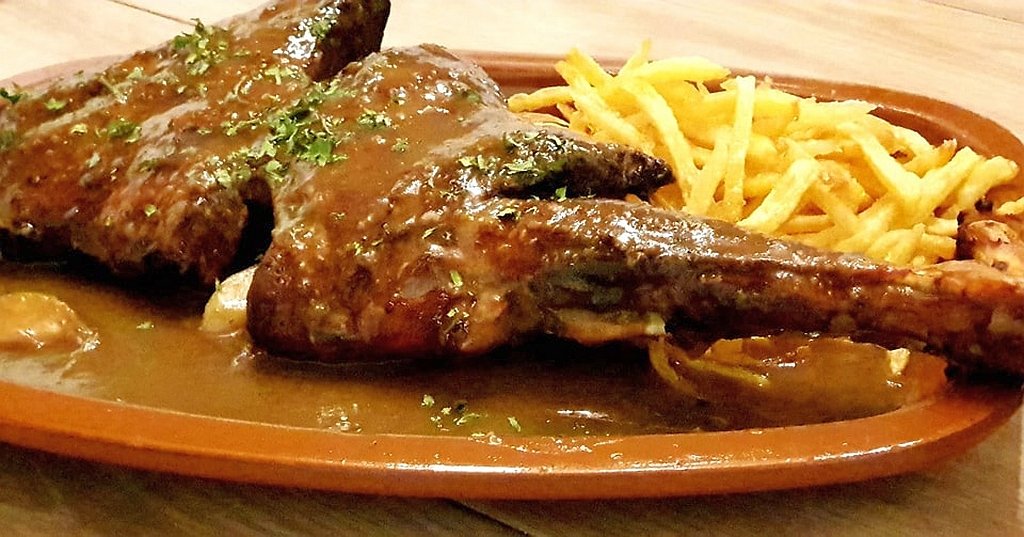
Prado del Rey’s cuisine captures the soul of Andalusia. Its most iconic dish is salmorejo (cold tomato and bread purée) — a smooth blend of bread, garlic, olive oil, salt, and ripe tomatoes, traditionally topped with jamón (cured ham), picatostes (croutons), or huevo duro (chopped boiled egg).
Other traditional recipes include:
- Sopa cocida de espárragos (asparagus soup) and sopa cocida de tomates (tomato soup) – comforting rural dishes made with seasonal produce.
- Guiso de habas (broad bean stew), caracoles (snails), cabrillas (large snails), and menudillo de chivo o pavo (offal stew of kid or turkey) – hearty meals reflecting local farming culture.
- Cocido de tagarninas (Spanish oyster thistle stew) and cocido de coles (cabbage stew) – rich, earthy flavours typical of the Sierra.
- Sweet delights such as tortas fritas (fried pastries), buñuelos (fritters), torta de chicharrones (pork crackling cake), borrachos (syrup-soaked sponge cakes), and torrijas (Spanish-style French toast) bring any meal to a joyful close.
Vino Pajarete (Pajarete wine)
The pride of local viticulture is, without doubt, the vino Pajarete (Pajarete wine). This fine, semi-sweet fortified wine blends traditional grape must with arrope or sancocho (reduced grape syrup), creating a delicate and aromatic flavour. Originally from the vineyards of Monte Pajarete near Villamartín, it is now produced in several Andalusian towns — and even internationally, where it’s known as paxarete, a prized component in whisky ageing known as “blending sherry”.
Festivals and Events
Prado del Rey’s calendar is alive with tradition, music, and celebration:
- Fiesta del Caballo (March) – A lively celebration of Andalusia’s equestrian heritage.
- Semana Santa (April) – A week of solemn processions and religious devotion.
- Romería de San Isidro Labrador (May) – A rural pilgrimage featuring decorated carts, horseback riders, and the traditional raffle of two calves.
- Velada de Nuestra Señora del Carmen (July) – The patron saint’s festival with floral offerings, music, dancing, and whitewashed houses decorated in her honour.
- Concurso Nacional de Cante por Serranas (August) – A prestigious flamenco competition showcasing the powerful cante por serranas, a style rooted in the Sierra traditions.
- Feria del Ganado (September) – The local livestock fair with exhibitions and rural festivities.
- Nochevieja (December) – A joyful New Year’s Eve celebration that gathers the entire town to welcome the year with Andalusian warmth.
Essential Travel FAQs for Exploring Prado del Rey, Andalusia
Prado del Rey offers an authentic Andalusian experience where nature and history intertwine. Nestled between the Sierra de Grazalema and Los Alcornocales parks, it’s known for its traditional wine, leather craftsmanship, and rural charm. Visitors can explore archaeological remains, taste homemade honey, or simply enjoy the relaxed rhythm of village life. More details about must-see spots and local food are shared further up in the article.
The area’s roots reach back to the Roman city of Iptuci, later rebuilt under King Carlos III in 1768. This royal repopulation project shaped the grid-like streets and orderly layout seen today. Artefacts from Iptuci—including coins and inscriptions—shed light on its long past, revealing how the town evolved from a strategic outpost to a peaceful modern settlement.
Vino Pajarete is a semi-sweet fortified wine once prized across 19th-century Spain for its elegant, liqueur-like taste. Made from local grapes blended with reduced syrup known as arrope, it reflects the area’s deep viticultural roots. Many still enjoy it today, and it’s even used internationally in whisky ageing.
Leather goods, honey, and cured meats form the backbone of the town’s artisanal economy. Workshops create beautifully crafted marroquinería, while local markets sell rich mountain honey and handmade charcuterie. These products capture the essence of Andalusian craftsmanship—practical, flavourful, and steeped in tradition. You’ll find a few recommended producers mentioned in the main text.
Absolutely. The village is surrounded by trails through the Sierra de Grazalema and Los Alcornocales parks—ideal for hikers, birdwatchers, and photographers. The nearby salt factory beside the ancient ruins of Iptuci also offers a fascinating visit. With scenic drives and friendly local guides, exploring the countryside feels effortless. The article outlines several routes and activities worth considering.
Spring and autumn stand out for comfortable temperatures and blooming scenery. Summer brings lively events such as the Fiesta del Caballo and the Velada de Nuestra Señora del Carmen, while winter offers peaceful walks and hearty cuisine. Each season has its own rhythm, so the best time depends on whether you prefer nature’s calm or Andalusian festivity.

I’ve been living in this lovely area of Western Andalucia for the last 20 years or so and dedicate most of my time to the running of English language tourist information websites for the towns of Cádiz, Ronda, Grazalema, the famous or infamous Caminito del Rey, and also Wildside Holidays, which promotes sustainable and eco-friendly businesses running wildlife and walking holidays in Spain. My articles contain affiliate links that will help you reserve a hotel, bus, train or activity in the area. You don’t pay more, but by using them you do support this website. Thankyou!